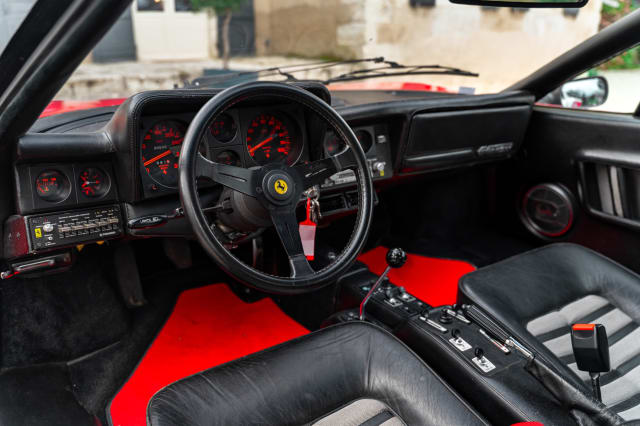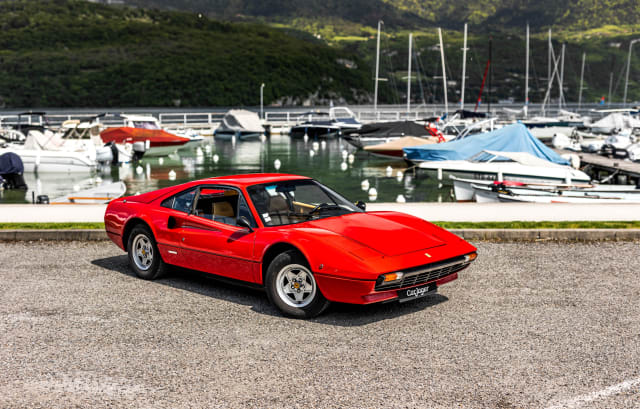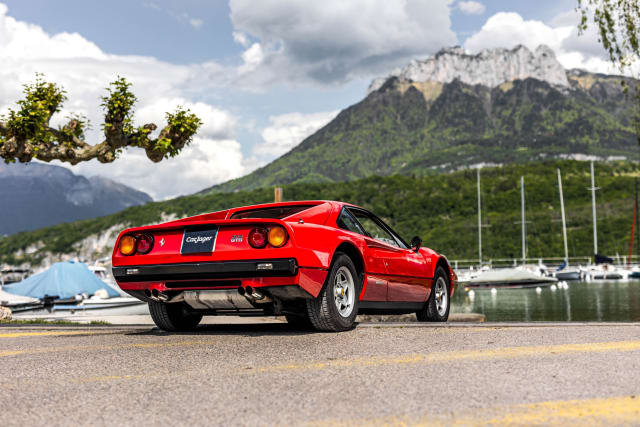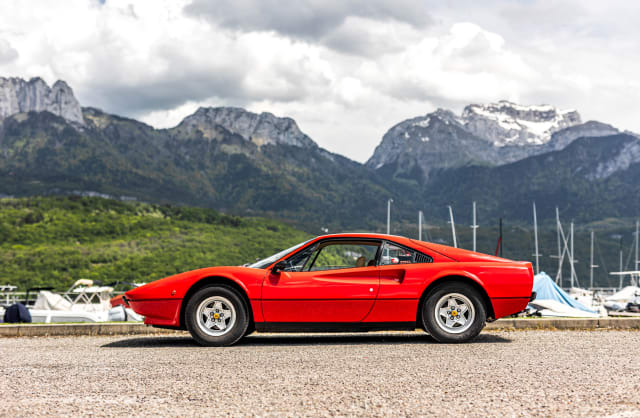
An Unreserved Opinion Piece on a Market That’s Not So Hammered…
Classics
Témoignages

An Unreserved Opinion Piece on a Market That’s Not So Hammered…

Par Vladimir Grudzinski - 12/11/2025

The classic car market is slowing down but remains stable: the poor results of auction houses mainly reflect an outdated business model.

2025 is proving to be a challenging year for the classic car segment, especially models from the 1950s, 60s, and 70s. There are several reasons for this, but let’s not throw the baby out with the bathwater.

A whole generation — the one that saw these cars new on the streets as children — is now aging out of the market, giving way to collectors born in the 1980s and 90s. Naturally, these younger enthusiasts dream of, and buy, the icons of their own youth: Porsche 964 and 993, Ferrari 348 and 355, BMW M3s, Lamborghini Diablos…

This generational shift, combined with a gloomy overall climate — between geopolitical testosterone in overdrive and Europe’s own self-sabotage — doesn’t help market momentum. And yet the main market indicator remains, wrongly, auction house results. These players suffer from old-fashioned business practices and account for only 3% of all sales.

Why their decline? Excessive commissions, conflicts of interest among “expert” appraisers, incomplete information, questionable lots consigned by dealers, and sometimes less-than-saintly backstage dealings. And yet, auction houses remain untouchable, the compass of a disoriented market, still dazzling clients with canapés, crémant bubbles, and glossy catalogs. But reality isn’t nearly as bleak as their numbers make it look.
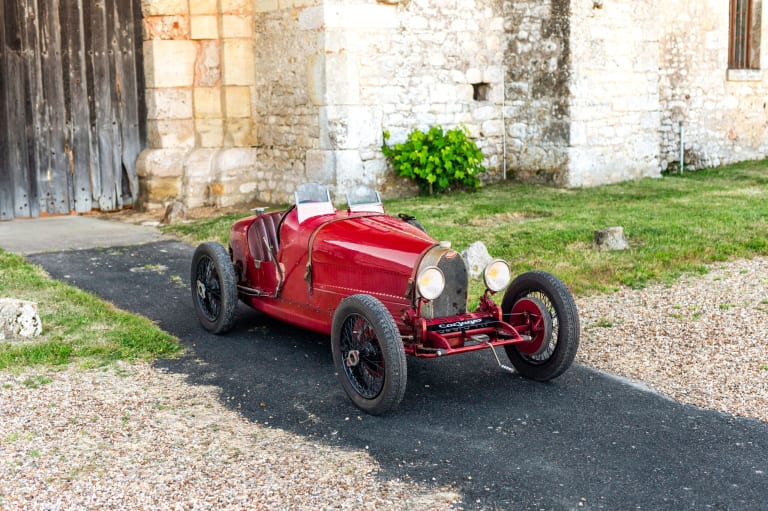
Bugatti Type 37 vendue en 48h
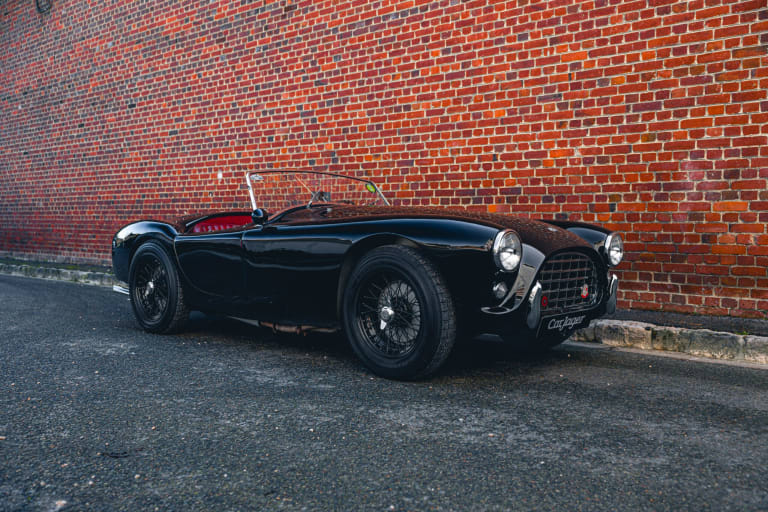
AC-Bristol-32-scaled.jpg
1-1-scaled.jpg

All these failings have drained both buyers — often deceived about what they purchased — and sellers, who are seduced by promises of “world records” but discover those records are set using no-reserve strategies that slash values to the bone. Such tactics only really suit older collectors who bought their cars 15–20 years ago and can still walk away with healthy profits. A blessed generation indeed…

I know this first-hand: CarJager welcomes, month after month, these buyers worn out by endless disappointments. And yet, like our national rooster crowing proudly in the muck, auction houses still trumpet their “successful sales,” “record results,” and “80% sell-through rates” — while buyers and sellers alike voice a very different truth.

In France, one of the major players has seen its calendar and results shrink dramatically after losing its flagship sale to a fast-rising American competitor. A true Bérézina for a house that helped shape this market 15 years ago, but has since failed to catch the 21st-century train. A century where the client comes first, commissions reflect value delivered, and you don’t move 80 cars across France just to sell half of them (or “80%,” according to the unions…).

Another French player applies the same outdated strategy but, starting from lower down, still benefits from its underdog status in this chariot race of antiques. “What we call firmness in a king is called stubbornness in a donkey.”

Meanwhile, the Americans don’t waste time. Bring a Trailer and Gooding are on the verge of becoming global leaders, while Broad Arrow — knife between its teeth — is poaching its rivals’ staff to build a giant. A curious mirror of today’s politics: Americans soar by closing doors to imports, while Europeans sink as they roll out the red carpet for China…
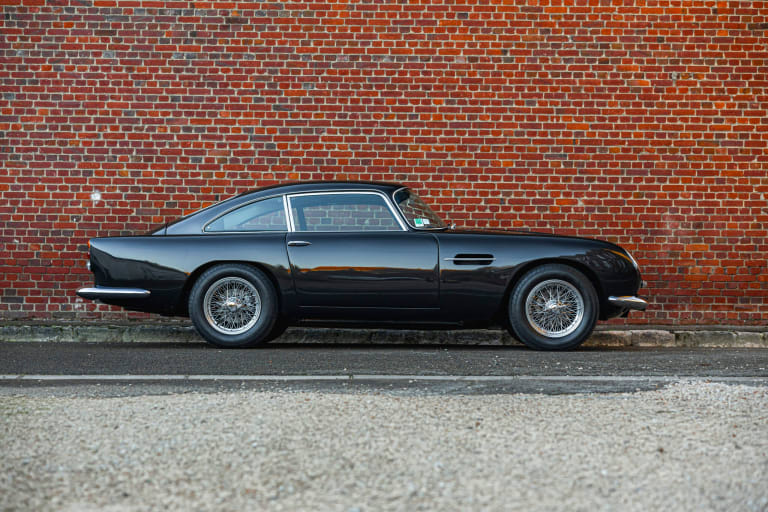
Aston-Martin-DB4-2-1-scaled.jpg
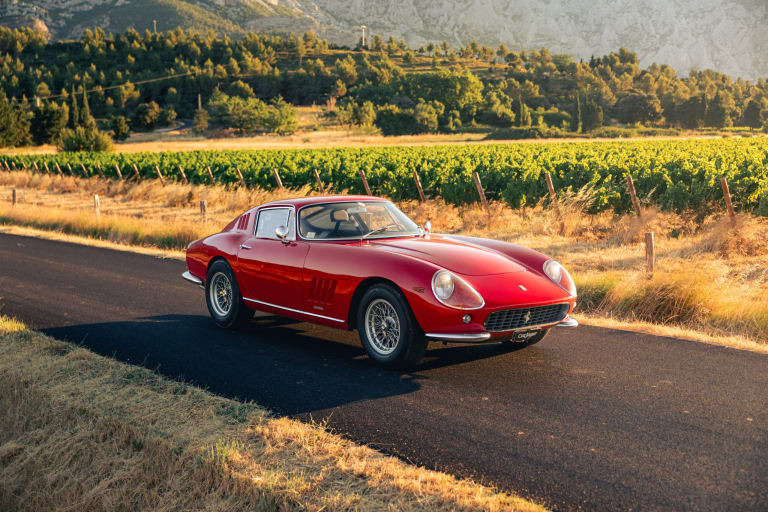
B4A7337-scaled.jpg

You might ask: “Why so much hostility?” It’s not about joining some sanctimonious crusade. It’s about reestablishing the truth in a market that is troubled but not doomed: the right cars — authentic classics, correctly priced, with proper documentation — still find delighted, discerning buyers.

Yes, the market is more complicated, slower, more cautious. CarJager can attest to that. After six years, we’ve become by far the leading French player in this field.

In the first half of 2025, we reached €33M in transactions for 350 cars — including 225 classics and 125 GTs & supercars — with an average price of €90,000 (€168,000 for High-End Broker), a 45% growth in turnover.

Among the sales:

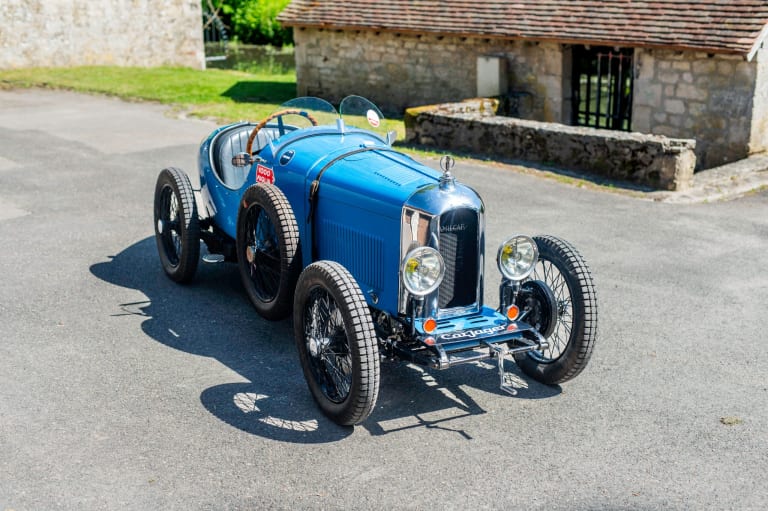
  • 1920s: Amilcar CGSS, Bugatti 37 (sold within a week)

  • 1950s: AC Bristol, Jaguar XK120

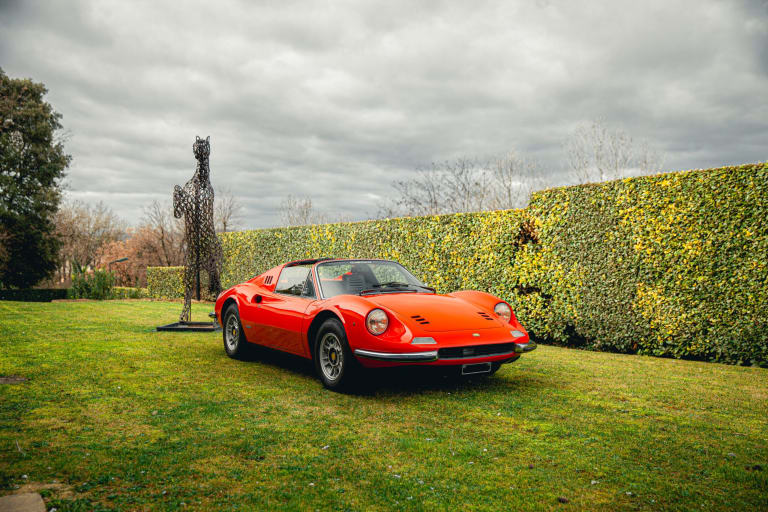
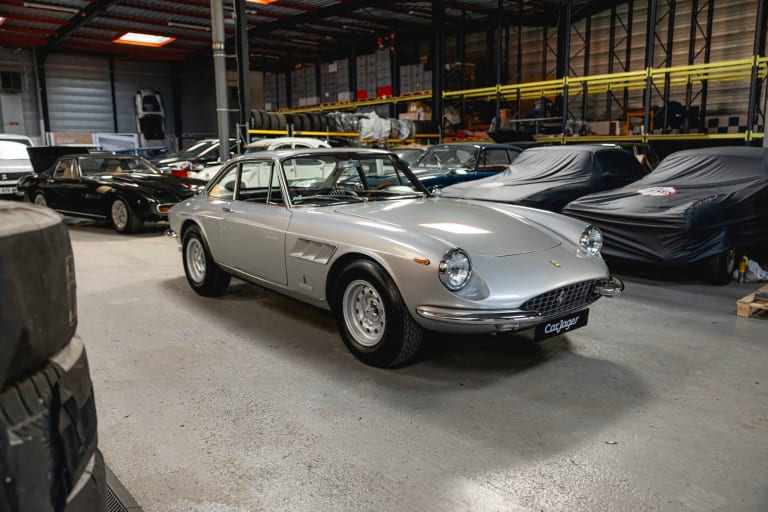
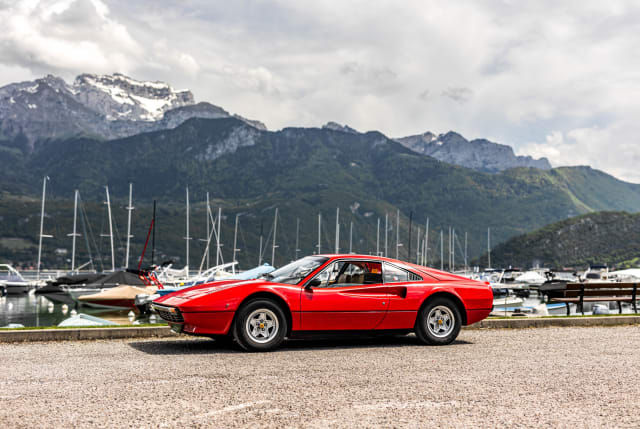
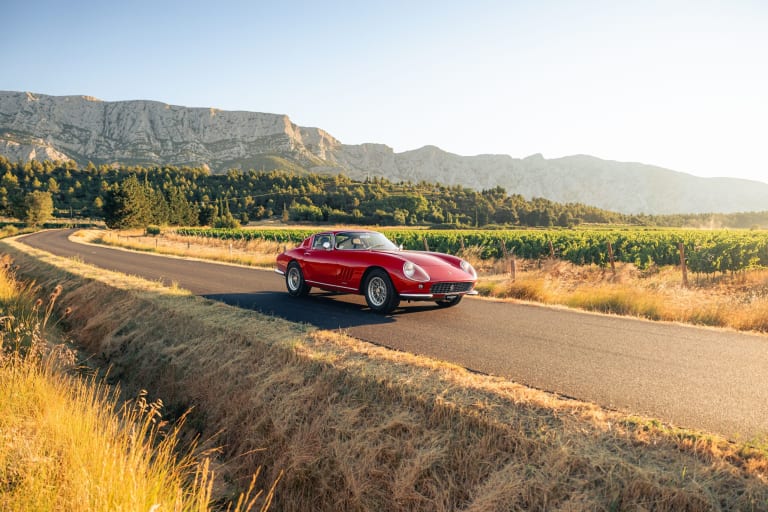
  • 1960s: Aston DB4 Mk4 and Mk5, Aston Martin DB6, two Ferrari Daytonas, a Ferrari 275 GTB, two Ferrari Dino GTS, a Ferrari 330 GTC, two Porsche 356 Roadsters and two Coupés, five Porsche “F” models

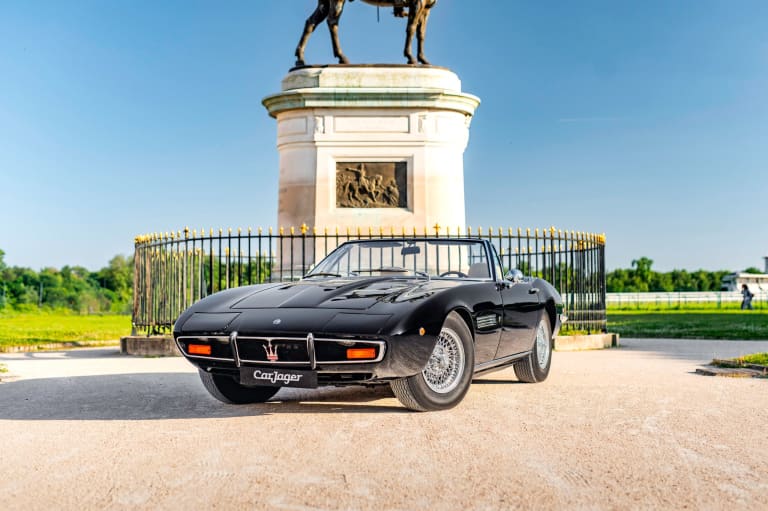
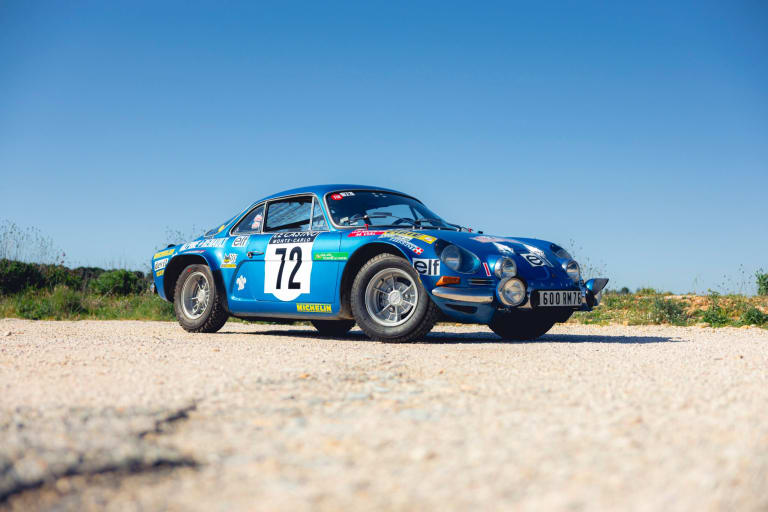
  • 1970s: Maserati Ghibli Spyder and Coupé, Alpine A110 1600S

All sold at fair prices, properly inspected, guaranteed, and with complete documentation.

It’s clear that the Supercar and Youngtimer segments are proving especially resilient — particularly models above €150,000. But to collectors of older classics: keep the faith! Passion still drives this market. The right cars still sell, and they still buy, albeit with prices adjusted at the margins.

Think of it as an opportunity to acquire cars under better conditions than five years ago. But don’t expect fire sales: even on glossy paper, that’s always a bad omen.

At CarJager, we remain open to debate, to exchanges with our fellow auctioneers — whom I genuinely respect and admire for their achievements — and to whom, as a polite provincial waiter might put it, I wish a “happy digitalization” and a belated but necessary entry into this century. A century less glamorous than that of the XK, but infinitely more stimulating.

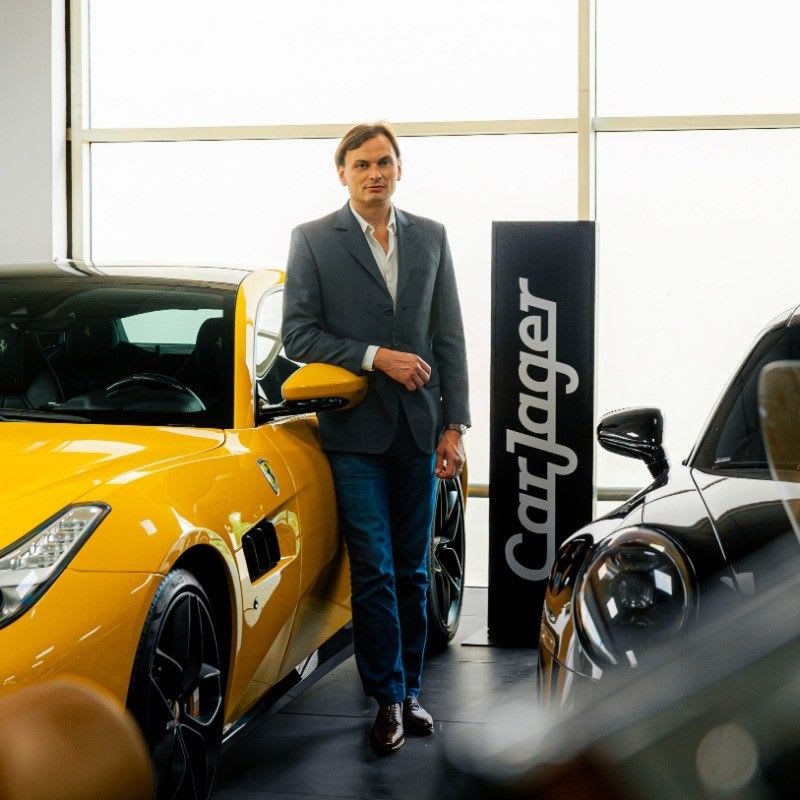
Vladimir Grudzinski, CEO
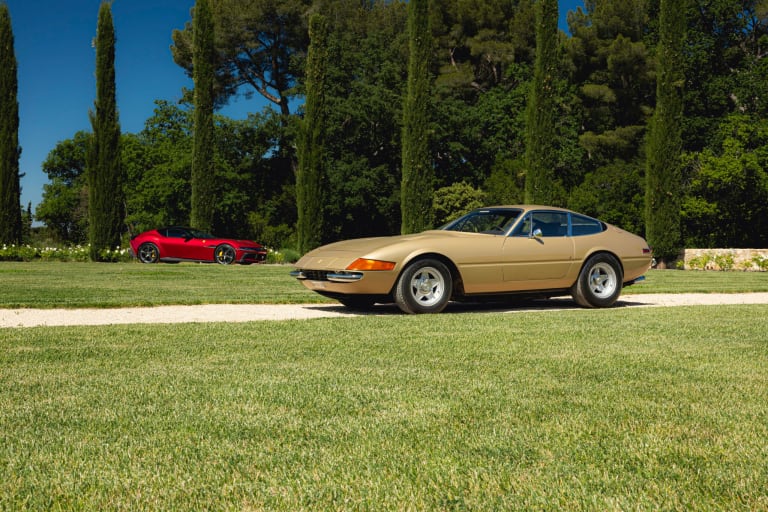
Ferrari-12Cilindri-Ferrari-365-GTB_4-Daytona-4-scaled.jpg
Dino-246-GTS-Retromobile-2024-@alapierre_-72-scaled.jpg
Ferrari-330-GTC-7-scaled.jpg
Ghibly-Spider-39-scaled.jpg
Alpine-A110-1600-S-Gr.3.-70-scaled.jpg
Vladimir Grudzinski

Vladimir Grudzinski

Vladimir Grudzinski est entrepreneur et pionnier du digital automobile, co-fondateur et CEO de CarJager, plateforme de référence pour l’achat, la vente et le sourcing de voitures classiques et sportives. Avant CarJager, il a fondé Reezocar, acteur majeur de l’achat automobile en ligne racheté par un groupe international, après avoir contribué à démocratiser l’accès sécurisé aux véhicules d’occasion en Europe. Passionné d’automobile et connaisseur du marché international, il a également exercé comme classic car broker, accompagnant collectionneurs et amateurs dans leurs acquisitions. Installé entre Paris et la Provence, il développe en parallèle le domaine Notre-Dame de Conil, tout en poursuivant son engagement : rendre le marché des automobiles de collection plus transparent, plus simple et plus accessible.

Autos similaires en vente

Barnes Exclusive
Ferrari Bb 512 I
Ferrari Bb 512 I
Ferrari Bb 512 I
Ferrari Bb 512 I
Ferrari Bb 512 I
Ferrari Mondial T
Ferrari Mondial T
Ferrari Mondial T
Ferrari Mondial T
Ferrari Mondial T
Barnes Exclusive
Ferrari Bb 512 I
Ferrari Bb 512 I
Ferrari Bb 512 I
Ferrari Bb 512 I
Ferrari Bb 512 I
Barnes Exclusive
Ferrari 308 Gtb Vetroresina

Carjager vous recommande

Nicolas Fourny / 12 nov. 2025

Ferrari 365 GT 2+2 : l'invitation au voyage

« S’il ne s’agit pas à proprement parler d’une voiture de luxe, la 365 GT 2+2 s’inspire plus ou moins de la capiteuse 500 Superfast, au grand dam de certains puristes »
Classic
Ferrari
Italienne
Nicolas Fourny / 12 nov. 2025

Ferrari 275 GTS/4 Spyder NART : un séduisant accident de l’histoire

« Si vous vous amusiez à dresser la liste des cabriolets à moteur 12 cylindres apparus depuis la guerre, vous n’y consacreriez pas beaucoup d’encre et, du reste, au départ Maranello n’avait pas prévu de développer une telle variante en partant de la 275 GTB/4 »
275 Gtb
Classic
Ferrari
Nicolas Fourny / 12 nov. 2025

Ferrari BB : la pionnière oubliée

Depuis l’apparition de la Lamborghini Miura, en 1966, une controverse apparemment sans fin brûlait entre Ferrari et Pininfarina. Les deux partenaires, dont l’association remontait aux origines mêmes de la firme de Maranello, divergeaient sur une question majeure, puisqu’elle concernait l’architecture des berlinettes au cheval cabré : celles-ci devaient-elles porter leur moteur à l’avant ou en position centrale arrière ?
Classic
Ferrari
Italienne
Paul Clément-Collin / 12 nov. 2025

Ferrari 365 GT4 / 512 BB : quand Ferrari remet tout à plat

Enzo Ferrari était un homme de conviction mais il savait aussi ne pas rester fermé. Devant le succès de la Lamborghini Miura et de son moteur V12 en position centrale arrière, le maître de Maranello dut se remettre en question. Certes, la Ferrari 365 GTB/4 Daytona se vendait correctement avec son moteur à l’avant mais l’avenir semblait pencher vers l’arrière pour les sportives de haut niveau. Pour cette raison, l’étude d’une super-sportive basée sur ce type d’architecture fut lancée dès 1968, donnant naissance en 1973 à la Ferrari 365 GT4 BB, puis à ses descendantes 512 BB (1976) et 512 BBi (1981) : une légende était née.
365
512
Ferrari
Carjager / 12 nov. 2025

5 voitures devenues célèbres grâce aux séries TV

Notre culture automobile se forge de nombreuses manières, mais il faut bien l’admettre : la télévision a parfois été essentielle dans sa construction. Grâce au petit écran, certains voitures sont devenues célèbres, désirables ou risibles, c’est selon. Voici donc 5 voitures devenues célèbres grâce aux séries télé qui pourraient sans problème trouver place dans votre collection.
Allemande
Classic
Française
Carjager / 12 nov. 2025

Les Ferrari V12 2+2 : douze devant, quatre derrière

Que les mauvais esprits jugulent leur déception : dans ce titre énigmatique, « derrière » s’écrit bien au singulier. De quoi s’agit-il ? De la belle et longue histoire des Ferrari quatre places à moteur V12. Une histoire qui se prolonge encore de nos jours, et qui a commencé un beau jour du printemps 1960, lorsque la firme italienne décida de s’adresser à une nouvelle clientèle.
Classic
Ferrari
Italienne
Carjager / 12 nov. 2025

Ferrari 275 GTB : beau comme l’antique

Ferrari 275 GTB. Elle n’a même pas de nom, mais son moteur porte, par habitude, celui de son lointain fondateur. Elle est une machine désignée par sa cylindrée unitaire, trois chiffres, et sa catégorie de compétition, trois lettres. Une Ferrari n’a pas besoin de nom supplémentaire. Elle est un aptonyme aux récits inépuisables.
275
Ferrari
V12
Nicolas Fourny / 12 nov. 2025

Ferrari 250 GT/L : la beauté d’un crépuscule

Chez Ferrari, 250 fait quasiment figure de nombre magique. On le retrouve sur une grande diversité de modèles, de la GTO aux cabriolets California, des berlinettes de compétition aux coupés « familiaux » dédiés au grand tourisme. Et, au cœur de cette famille aux multiples ramifications, la GT/L — présentée pour la première fois au Salon de Paris 1962 sous la forme d’un prototype très proche de la série — occupe une place à part, en raison d’une identité astucieusement métissée entre sportivité et… luxe (comme l’indique son patronyme). Dernière représentante de la lignée des V12 3 litres, elle ressemble cependant plus à une préface qu’à un épilogue, en ce qu’elle défriche et annonce les chemins que la firme de Maranello entend désormais suivre — et c’est l’une des multiples raisons de s’intéresser à son destin, aussi fugitif que déterminant.
Ferrari
Pininfarina
V12

Vendre avec CarJager ?

Voir toutes nos offres de vente